
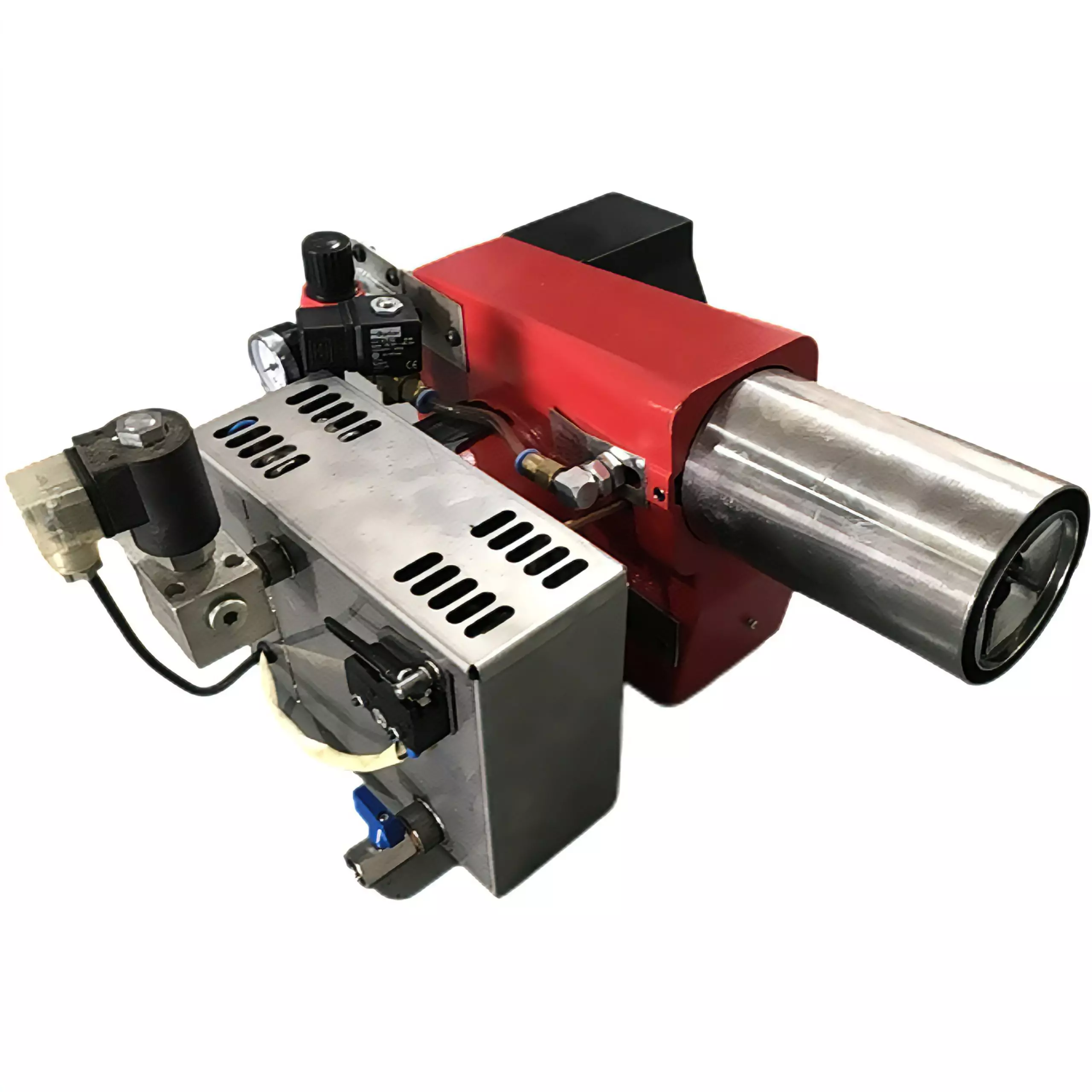
Using waste oil as an industrial fuel can turn a difficult disposal stream into a usable source of process heat. For facilities that generate or obtain used motor oil, cooking oil, transmission fluid, or hydraulic fluid, the attraction is straightforward: instead of treating suitable waste oil only as a material requiring disposal, a dedicated combustion system can recover part of its energy value. The practical benefits, however, depend on fuel quality, preparation, burner compatibility, and operating discipline.
Why Can Waste Oil Become a Useful Industrial Fuel?
Waste oil retains combustible energy after its original application, which creates an opportunity for industrial heat recovery. A dedicated waste fuel burner is designed to atomize prepared used oil, mix it with combustion air, and release its energy in a controlled combustion chamber.
That distinction matters because waste oil is not equivalent to clean commercial heating oil. Its viscosity and contaminant levels can vary, so the equipment must be designed around those characteristics. When the fuel is compatible with the burner and adequately prepared, its previously unused energy can become a useful heat source for industrial equipment.
Can Waste Oil Reduce Dependence on Conventional Fuel?
One of the clearest potential benefits is reducing the amount of conventional fuel purchased for suitable heating duties. The supplied product information describes waste-oil burners as an energy solution for commercial and industrial operations and specifically identifies the use of waste oil for usable heat.
The financial effect depends on the quantity and quality of available waste oil, the energy demand of the facility, and the cost of alternative fuels. A plant with a reliable internal waste-oil stream may have a stronger economic case than one that must purchase and transport the fuel. Consequently, savings should be calculated from actual fuel availability rather than assumed from the burner alone.
How Does Waste Oil Turn a Disposal Stream Into Useful Heat?
The value comes from converting the fuel’s stored chemical energy into controlled thermal energy. Before combustion, waste oil is filtered and conditioned so that water, sludge, and debris are reduced. The burner then prepares the fuel for combustion through atomization and air mixing.
Heat produced during combustion can be used directly or transferred through heat exchangers to water, air, or industrial equipment. This makes energy recovery possible in different thermal systems instead of limiting the fuel to one specific application. Career Burner identifies furnaces, boilers, and incineration-related equipment among the potential applications for its waste-oil systems.
Why Does Fuel Preparation Determine the Value of Waste Oil?
Fuel preparation is central to achieving the expected benefit. Waste oil can be more viscous and less consistent than conventional light oil, making direct feeding and atomization difficult. The referenced systems therefore use preheating to reduce viscosity and facilitate combustion.
Filtration also matters because water, sludge, and debris can interfere with fuel delivery and combustion components. Regular cleaning of combustion chambers, nozzles, and air filters is recommended because soot and ash can accumulate during waste-oil operation. In other words, the fuel is valuable only when the combustion system can handle its actual physical condition.
Can Automated Burner Control Make Waste-Oil Heating More Practical?
Automation can reduce the amount of manual intervention required during normal operation. The referenced range includes automatic ignition, flame monitoring, automatic shut-off, and smart control functions. These features support controlled startup and continued supervision of the flame.
An automatic waste oil burner can therefore make waste-oil heating more manageable where the installation, fuel quality, and control requirements are properly matched. Automation does not remove the need for fuel inspection or maintenance, but it can coordinate key combustion functions and provide a more consistent operating sequence.
Where Can Recovered Waste-Oil Heat Be Used?
The recovered heat can serve several types of industrial thermal demand. According to the supplied product information, heat from waste-oil combustion may be used directly or transferred through heat exchangers to warm water, air, or industrial equipment. The product category also identifies furnaces and boilers as suitable application areas.
That flexibility allows the value of waste oil to be evaluated against the actual heat requirement of a facility. A plant with steady thermal demand has more opportunity to use recovered energy effectively than a site where heat demand is occasional or difficult to integrate.
What Conditions Must Be Met to Gain These Benefits?
The first requirement is fuel compatibility. Operators should understand the waste oil’s viscosity and contaminants before selecting equipment. The burner must also provide sufficient thermal capacity for the intended process rather than being sized only around the available fuel volume.
Maintenance is the second requirement. Pre-filtration, fuel-quality monitoring, component inspection, and cleaning are part of responsible waste-oil operation. The manufacturer recommends regular attention to nozzles, air compressors, fuel pumps, filters, and combustion chambers because these components can experience demanding service conditions.
Is Waste Oil a Practical Fuel Choice for Every Industrial Facility?
Waste oil is not necessarily the best fuel for every plant. Its value depends on having an appropriate waste-oil supply, compatible heating equipment, sufficient thermal demand, and the ability to manage preparation and maintenance requirements.
Career Burner lists waste-oil models with adjustable thermal output from 24 to 355 kW and fuel consumption of 2.0–30 kg/hr, while its broader product range includes dedicated equipment for different industrial fuels. These figures show that waste-oil combustion can cover defined industrial heating duties, but they should not be interpreted as a universal capacity requirement.
The strongest case exists where waste oil is consistently available and its energy can be used close to where it is generated. Under those conditions, a waste fuel burner can combine resource recovery with useful thermal output.
Conclusion
The main benefit of waste oil as an industrial fuel is its ability to connect waste management with energy recovery. Suitable used oil can provide combustible energy for furnaces, boilers, and other thermal equipment instead of being treated solely as a disposal burden. Potential reductions in conventional fuel purchases can add an economic benefit when an operation has a dependable waste-oil supply.
For facilities with compatible fuel, steady heat demand, and proper operating procedures, waste oil can therefore become a practical component of an industrial energy strategy rather than simply a waste stream.