
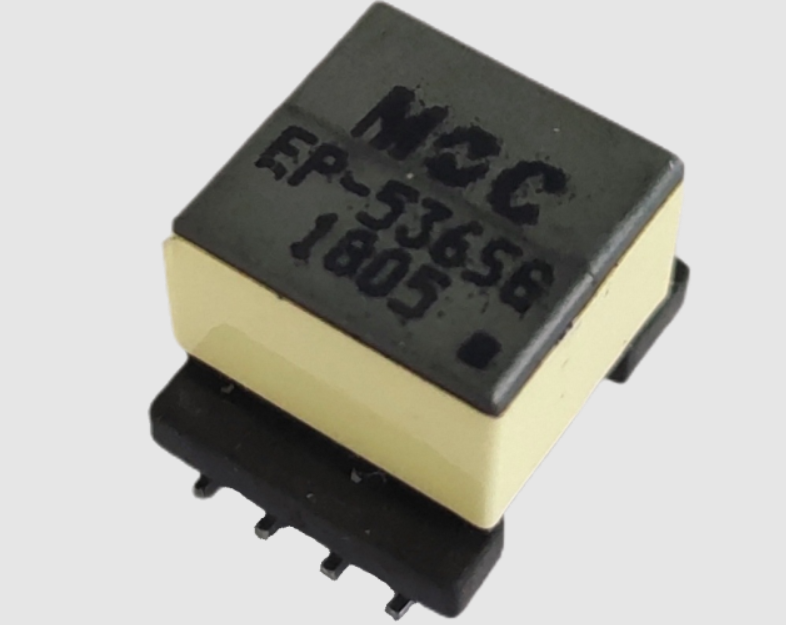
Ethernet transformers are often viewed as small components on a printed circuit board, yet they play an important role in maintaining signal integrity and electrical isolation in modern networking equipment. Before a transformer is approved for large-scale production, it passes through multiple engineering and manufacturing stages that help verify whether it can support consistent performance in real applications. Understanding this process provides valuable insight into how an ethernet transformer manufacturer prepares products for commercial and industrial use.
Defining Performance Requirements Before Design Begins
Every development project starts with application requirements rather than manufacturing. Engineers first identify where the transformer will be used, whether in PoE switches, IP cameras, wireless access points, industrial networking equipment, or other communication systems. Different applications require different electrical characteristics, isolation levels, and package sizes.
These requirements influence magnetic core selection, winding structure, and electrical targets such as inductance and turn ratio. Mechanical factors are also considered early because the transformer must fit the PCB layout while remaining compatible with automated assembly processes.
At this stage, engineers also review applicable communication standards and system architecture. Design decisions made during the initial phase can reduce later revisions, helping the project move more efficiently toward prototype development.
Prototype Evaluation Before Production Decisions
After the preliminary design is completed, prototype samples are manufactured for engineering evaluation. This phase focuses on confirming whether the design performs as expected rather than preparing for high-volume production.
Engineers measure parameters such as inductance, turn ratio, DC resistance, insulation performance, and electrical continuity. Depending on the application, additional testing may include insertion loss, return loss, and common-mode rejection to evaluate signal transmission characteristics within the intended operating environment.
Prototype evaluation often identifies areas for refinement. Small adjustments to winding methods, magnetic materials, or internal structures may improve consistency before the design proceeds to the next development stage.
Preparing the Design for Manufacturing Stability
Once engineering validation is completed, attention shifts toward manufacturing. A design that performs well in a laboratory must also remain consistent across thousands of production units.
Production engineers review winding processes, solderability, material control, and inspection procedures. Automated equipment is introduced where appropriate to improve repeatability while maintaining dimensional consistency and electrical accuracy throughout manufacturing.
One example developed for PoE applications is the EP-536SG. This model features SMT mounting with dimensions of 15.24 × 12.5 × 11.45 mm. Its published specifications include an inductance of 155, rated power of 6, and a turn ratio of 1:0.262:0.524:0.786. These parameters provide engineers with reference information during hardware evaluation and production planning.
Reliability Verification Before Volume Manufacturing
Passing electrical testing alone does not automatically qualify a product for mass production. Manufacturers also evaluate whether the transformer can maintain stable performance under different environmental and operating conditions. These evaluations help confirm whether the product is suitable for long-term application requirements.
Reliability verification may include temperature cycling, humidity exposure, insulation testing, solderability assessment, and visual inspection after environmental stress. These procedures provide additional information about product durability and help identify potential risks before large-scale manufacturing begins.
Batch consistency is another important consideration because communication equipment manufacturers typically require uniform performance across multiple production lots. Stable production control, accurate process management, and regular inspections help maintain consistent quality during continuous manufacturing.
Traceability systems are commonly incorporated into manufacturing processes as well. Material records, inspection data, and production information allow quality teams to investigate any issues efficiently if additional analysis becomes necessary after shipment. This approach also supports better communication between suppliers and customers during product lifecycle management.
Supporting Engineering Collaboration Throughout Development
For many B2B projects, product development involves continuous communication between equipment manufacturers and component suppliers. Engineering discussions often continue from the initial concept through prototype verification and production preparation.
Mentech develops customized magnetic components for applications including power modules, communication equipment, new energy systems, and solar-storage-charging solutions. Within communication products, they provide traditional Ethernet transformers together with chip LAN transformers that are compatible with conventional network transformer applications, allowing customers to select solutions that match different hardware platforms.
Beyond supplying components, technical collaboration can include reviewing application requirements, discussing PCB constraints, supporting sample evaluation, and preparing manufacturing plans for future production volumes. This collaborative approach helps reduce unnecessary design changes during later development stages.
Conclusion
The journey from an initial concept to mass production involves much more than manufacturing a magnetic component. Design planning, prototype evaluation, production preparation, and reliability verification all contribute to delivering Ethernet transformers that meet the practical requirements of commercial networking equipment and support stable product development.
For companies seeking communication magnetic components, Mentech provides customized development and manufacturing services covering Ethernet transformers and related magnetic products for communication, power, and new energy applications. Their technical experience helps customers address different design requirements during project development.
Understanding the development process behind these components allows equipment manufacturers to make more informed engineering and sourcing decisions as projects move toward production. A clear process can help reduce design risks and improve coordination between component suppliers and equipment developers.