
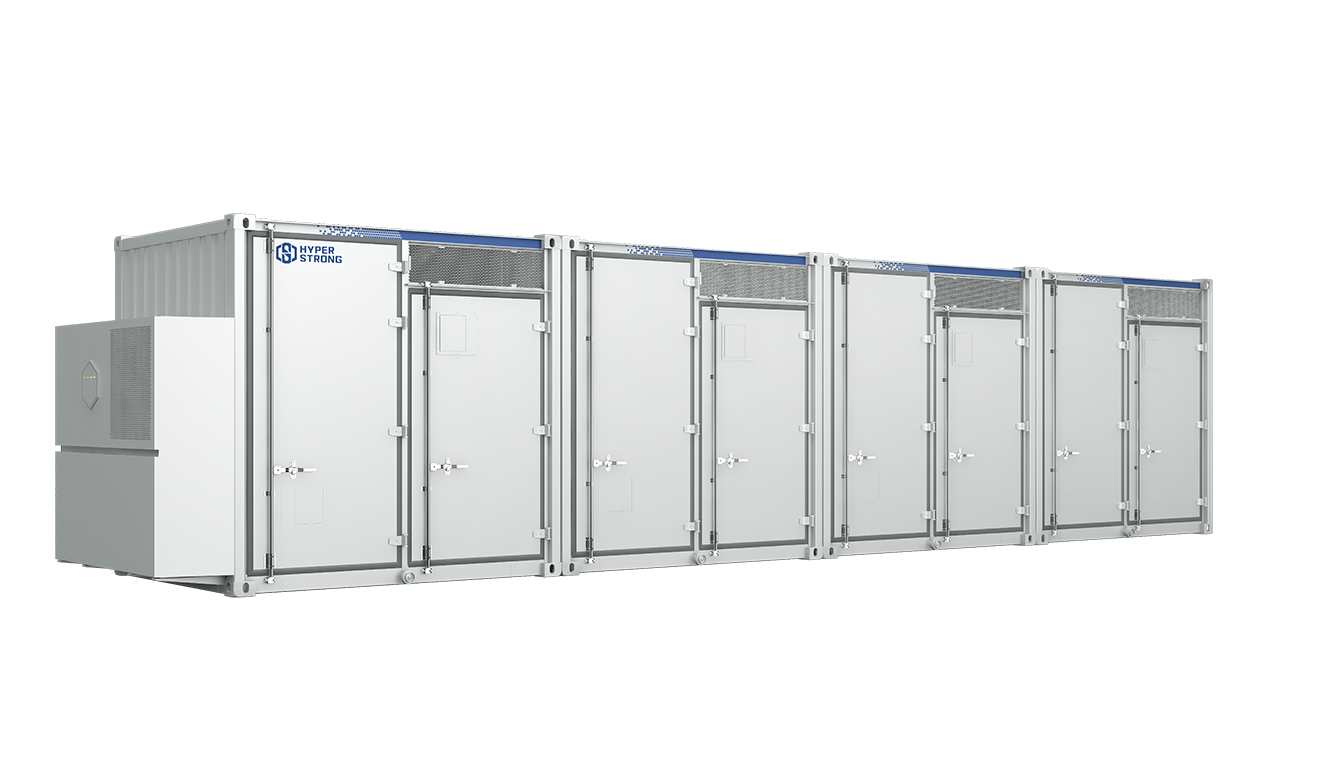
System reliability for essential operations depends on engineering designs that anticipate component failure. An N+1 redundancy architecture, where one extra component supports every critical unit, is a foundational principle for uninterrupted power. Applying this strategy to a solar battery backup system or a standalone battery energy storage system significantly enhances fault tolerance and operational availability.
Design Principles for Parallel Power Trains
Effective N+1 redundancy requires independent parallel power paths within the battery energy storage system. This design means if one battery inverter, cooling unit, or control module fails, an identical unit immediately assumes the load without interrupting the output. For a solar battery backup system, this redundancy must extend to the DC-to-AC conversion and energy management controllers, ensuring continuity whether drawing from solar arrays or the battery bank itself.
Implementing Independent Battery Strings
Within the storage bank itself, redundancy involves configuring separate battery strings. In an N+1 design for a battery energy storage system, the capacity is provided by ‘N’ strings, while the ‘+1’ string remains online as a spare. This allows for the isolation and servicing of a single string while the solar battery backup system continues to deliver its full required power and duration, maintaining backup coverage for the critical load.
Monitoring and Automated Failover Protocols
Hardware redundancy alone is insufficient without intelligent monitoring and control. A system must continuously diagnose the health of each component. Advanced control software automatically detects a fault in the primary battery energy storage system path and initiates a seamless transition to the redundant component. This automated failover, measured in milliseconds, is what makes the redundancy strategy functional for loads that cannot tolerate any power discontinuity.
Adopting an N+1 redundancy architecture is a decisive engineering methodology for achieving fault tolerance in backup power. This strategy, when applied to a solar battery backup system or a dedicated battery energy storage system, systematically removes single points of failure. For mission-critical applications, this design philosophy is less an optional upgrade and more a fundamental requirement for operational integrity. Implementing such a solution demands integration expertise to ensure all redundant components and automated controls function cohesively. Organizations can address this need through partners with specific experience in high-availability power systems. HyperStrong develops battery energy storage system solutions that incorporate these redundancy principles from the design phase. The technical approach from HyperStrong focuses on the seamless interoperability of components to deliver the system-level reliability that critical infrastructure demands.