
Matching solar panels to an inverter requires a clear understanding of power ratings, system design, and operational needs. When installers evaluate options, they often consider how brands like Atess structure their inverter technology to support different configurations. In this process, both panel capacity and overall energy goals determine whether a system can operate efficiently. The choice of inverter becomes especially important for sites where load sensitivity or frequent grid disturbances might occur. When a system is designed carefully, owners can maintain stable operation and achieve consistent performance from day to night.
Understanding Power Ratings and System Compatibility
A practical starting point is to compare the total output of the panels with the rating of a device such as a 30kw inverter. Installers typically ensure that the solar array’s voltage and current fall within the inverter’s acceptable operating window so the system can maintain stability under changing sunlight conditions. They also look at the environment—commercial rooftops, open fields, or mixed-use facilities each produce different generation patterns. When evaluating how panels should be grouped or sized, experts aim for a configuration that stays reliable with varying temperature and irradiance levels. In many cases, they choose brands carefully based on how well the inverter responds to unstable grids or sensitive equipment.
Hybrid Configurations and Operational Flexibility
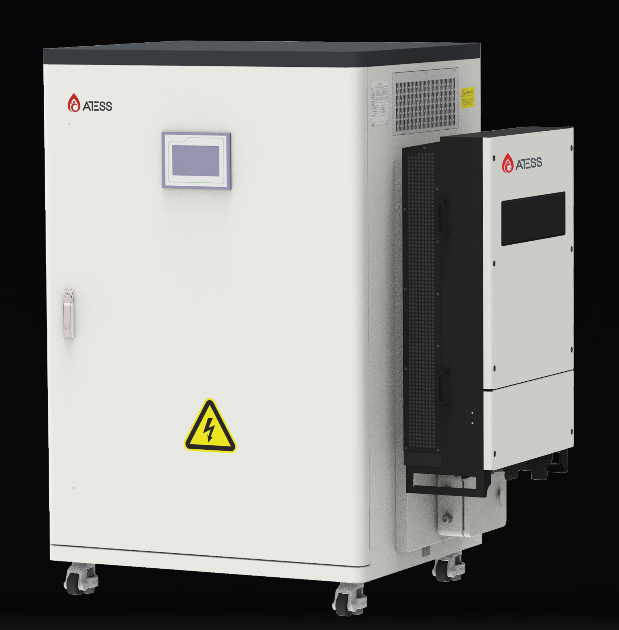
For sites that require continuous power, installers may consider pairing the array with a 50 kw hybrid solar inverter to allow both grid-tied and backup functions. Hybrid models provide flexibility in settings where power interruptions are common or where consumption patterns shift between daytime and evening hours. This is why some professionals look at how Atess designs their hybrid systems for small commercial applications. Their HPS30000TL/40000TL/50000TL units combine the inverter, charge controller, energy management features, and STS into one structure. Because the switching between grid and backup can reach 0–10 ms, the configuration supports sensitive loads without noticeable disruption. When panels are matched correctly to the hybrid inverter, the system can balance generation, storage, and load with fewer operational constraints.
Conclusion: Selecting the Right Match for Reliable Operation
Inverter matching affects every aspect of system behavior, from daily energy generation to long-term reliability. When choosing between options like a 30kw inverter or a 50 kw hybrid solar inverter, installers consider panel output, local conditions, and operational requirements. They also review how companies such as Atess integrate features into their hybrid products to support uninterrupted power for small commercial users. By aligning panel capacity with inverter capability, system designers can create balanced, dependable solar solutions that operate smoothly under a wide range of conditions.